
Game Development Portfolio: What California Studios Look For in 2026

Game Gen • August 6, 2026

Share this article

California is one of the most competitive game markets in the world — and your portfolio is the document that decides whether you get an interview. Not your degree. Not your resume. Your portfolio.

Hiring managers at major studios spend an average of 3–5 minutes reviewing each candidate's work before deciding whether to schedule a call. That's the entire window. This guide covers what California studios actually evaluate in 2026, how to choose the right projects, where to host your work, and how to start building if you're still learning.

Why Portfolio Beats Degree in California's Game Industry

Game development hiring is different from most tech fields. Where software engineering interviews center on algorithms and whiteboard challenges, game development hiring focuses on demonstrated ability through shipped projects and polished presentations. Studios want to see that you can finish something — not just that you understand the theory.

According to industry research on professional game development portfolios, hiring managers at companies like Unity, Epic Games, and Riot Games spend an average of 3–5 minutes reviewing each portfolio before deciding whether to proceed. Every element — from project selection to code quality — must immediately communicate professional capability.

This dynamic is good news for motivated learners. A candidate with three polished, playable games and no degree competes directly against CS graduates with no shipped projects — and frequently wins. California's game market runs on shipped work, not credentials.

If you're mapping the full path, our step-by-step roadmap to becoming a game developer in California covers the complete journey. Building your portfolio is the chapter where learning converts into a career.

Choose Your Projects Strategically, Not at Random

The specific projects you include determine whether a hiring manager sees you as a junior developer or someone ready for real responsibility. Professional guidance from the industry recommends a systematic approach to project selection that demonstrates skill across multiple dimensions — not just the same game type repeated three times.

A strong game development portfolio works across three tiers:

  • One hero project — your best, most polished work. This project should be complete and playable. It doesn't have to be large, but it has to be finished and optimized. This carries the most weight in any review.
  • Supporting projects — two to four games that show range. Different genres, different mechanics, or different technical challenges. Supporting work proves the hero project wasn't a one-time result.
  • Experimental work — game jams, prototypes, or technical experiments that signal intellectual curiosity and a willingness to work outside your main track.

One thing beginners consistently underestimate: mods and level packs count. As experienced game designers note, contributing to an existing game through level design or modding demonstrates real skills and produces shareable, playable work that's often easier to complete than a full original game — especially early in your learning.

The broader market signal reinforces this: the game industry is trending toward "more quality product, less product," according to a veteran game director interviewed by Whole Tomato. Fewer, better projects — that's the California standard in 2026.

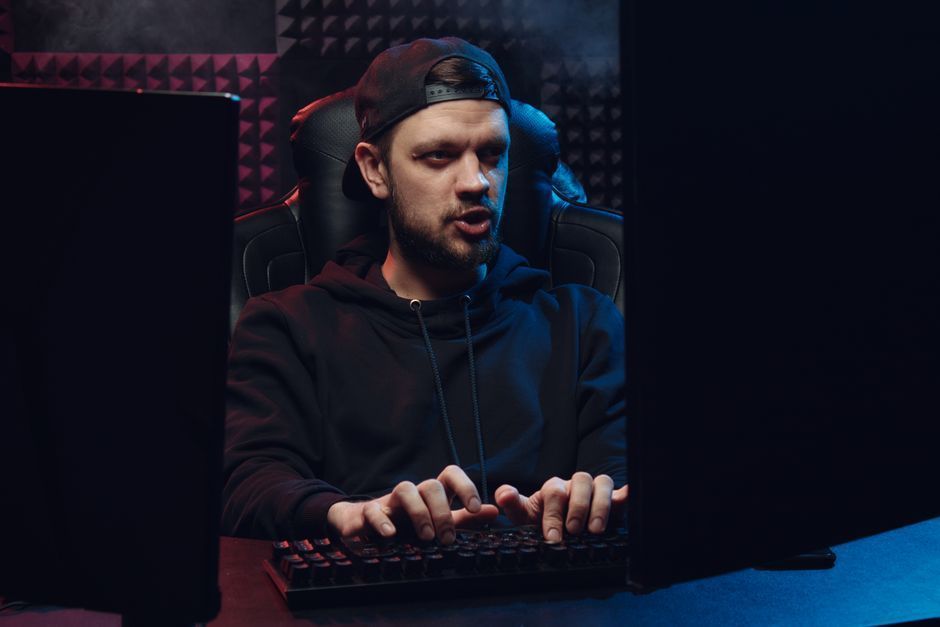
Focused gamer typing at a desktop computer in a dark neon-lit room

What California Studios Actually Evaluate

The technical bar is only part of the picture. Industry veterans are consistent that California studios — especially in competitive markets like Los Angeles and San Francisco — weigh communication ability, AI literacy, and cultural fit alongside technical skill. Junior developers who ship polished work and can clearly explain their design decisions stand out from the crowd.

Here's what studios evaluate in a game development portfolio in 2026:

  • Playable demos, not screenshots. The consistent industry advice is to "build a portfolio that shows, not tells." If a hiring manager can't play your game within three minutes of opening your portfolio, you're already at a disadvantage.
  • Specialization signals readiness. Designers in the field recommend that even generalists lead with one clear strength — level design, systems programming, narrative — rather than presenting as equally skilled at everything.
  • Engine fluency. California studios vary significantly by preferred engine and role type. Choosing what to lead with matters — see our breakdown of Unity vs. Unreal Engine vs. Godot for California learners.
  • AI literacy. Studios in 2026 increasingly expect candidates to understand where AI tools fit in a real production pipeline. Demonstrating thoughtful, intentional use of AI in your process is a rising differentiator.
  • Studio-specific tailoring. An indie LA studio and an AAA San Francisco publisher have different cultures, pipelines, and priorities. Always research each studio and adjust what you lead with accordingly.

Once you break in, compensation in California varies widely by role, experience, and studio size. Our guide to game developer salary in California covers what to realistically expect at each stage.

Where to Host Your Game Development Portfolio

Your hosting platform is part of the professional signal. Professional guidance is clear: hiring managers often review portfolios on mobile devices or in bandwidth-constrained environments. A portfolio that loads slowly or breaks on mobile creates a negative impression before a single project is even viewed.

The most common platforms for California game developers:

  • GitHub Pages — free, clean, and signals technical competence. Best for developers who want a custom portfolio site alongside their code repositories. Demonstrates comfort with version control and web basics.
  • itch.io — the premier indie game platform with integrated portfolio features, direct game distribution, and a built-in community. Easy for reviewers to play your games immediately. Strong choice for indie and mid-size studio targets.
  • ArtStation — the professional standard for visual development roles: concept art, environment art, character design. If your portfolio skews art-forward, ArtStation is where hiring managers will look for you.

Whatever platform you choose: link everything from one central landing page, make your hero project immediately accessible without extra clicks, and write a short description for each project explaining what you built, your specific role, and the technical challenges you solved. Hiring managers want to understand your decision-making, not just see the output.

Building Your First Portfolio Projects at Game Gen

The biggest challenge for beginners isn't knowing what a strong portfolio requires — it's having portfolio-worthy projects to put in it. That's where structured instruction makes the difference.

Game Gen's adult video game classes in California are built around project completion, not just concept exposure. Students ship games. A completed, playable project — even a small one — carries infinitely more portfolio weight than an ambitious but unfinished game. Finishing is itself a professional skill, and studios recognize it.

For adults who want a fully flexible format, Game Gen's online adult studios offer the same project-focused structure remotely. Whether you're in Los Angeles, the Bay Area, or anywhere else in California, you can start building your first portfolio pieces without relocating or rearranging your schedule.

For anyone wondering whether starting completely from scratch as an adult is realistic, the answer drawn from over a decade of California instruction is yes — see our post on what 10 years of teaching adults game development in California shows.

If you're a parent considering game development as a path for your teenager, Game Gen's kids and teens video game classes build the same project-based foundation — so your student enters college applications or early career decisions with real, completed work to show.

Regional Center Funding for Learners on the Spectrum

For adults with autism or ADHD in California, Regional Center funding can cover game development education — removing the financial barrier entirely. Game Gen has supported regional center clients throughout California, and these students complete the same project-based curriculum and build the same portfolio pieces any aspiring game developer needs.

Full details on eligibility and the funding process are in our guide to Regional Center funding for game development in California. To take next steps, explore Game Gen's Regional Centers program and our dedicated support for students on the spectrum.

Frequently Asked Questions

Do I need a degree to get a game development job in California?

No. California studios consistently prioritize portfolio over degree. Hiring managers spend 3–5 minutes evaluating your portfolio — they're looking at shipped games, not transcripts. A strong portfolio from a motivated graduate of a structured game development program competes directly with four-year computer science degrees.

How many projects should be in a game development portfolio?

Three to five polished, playable projects consistently beats ten half-finished games. Your hero project carries the most weight; two to four supporting projects demonstrate range; experimental work like game jams or mods shows curiosity and initiative. Start with one great, complete hero project and build from there — completion matters more than volume.

What game engines do California studios prefer?

It depends on the studio and role. Unity dominates mobile and indie work; Unreal Engine is standard at AAA studios and for high-fidelity projects; Godot is gaining significant traction in indie development and is popular with self-taught developers. Our Unity vs. Unreal Engine vs. Godot comparison breaks down which to learn first based on your goals and the California studios you're targeting.

How do I build portfolio projects if I'm a complete beginner?

Start with structured instruction before going solo. Game Gen's adult game development classes are designed to get you to a finished, playable game — which is exactly what your portfolio needs. Game jams and mods are also legitimate starting points. Even a small, complete game built during a 48-hour jam is more compelling in a portfolio than an ambitious but unfinished passion project.

Recent Posts

By Game Gen July 30, 2026
California holds 44% of all U.S. game industry jobs, and studios like Blizzard and Brass Lion are actively hiring narrative designers. Game Gen mentors from Sony and Brass Lion explain the skills, salary, and beginner roadmap for breaking in.

By Game Gen July 23, 2026
After 10 years teaching complete beginners across California — including neurodiverse learners — Game Gen answers honestly: yes, adults can learn game development. Here's what it actually takes, what skills you already have, and how to start.

By Game Gen July 16, 2026
Regional center funding for game development training in California is available through DDS vendorization — and most families don't know it exists. Game Gen is an approved vendor serving adults with autism, ADHD, and developmental disabilities across 10+ regional centers statewide. Learn how to use your IPP to enroll.

By Game Gen July 9, 2026
Unity powers 35–38% of Steam releases. Unreal Engine leads AAA. Godot grew to 8–10% of new Steam games in 2026, doubling each year. Game Gen's California mentors — veterans of Sony, Brass Lion Entertainment — break down which engine beginners should actually start with, backed by real market data.
By Game Gen July 2, 2026
Game developer salary in California ranges from entry-level $60K to senior $150K+. Real 2026 data by city, experience level, and skills — from mentors who've worked at Sony and Brass Lion Entertainment. Get the full breakdown.
By Game Gen June 23, 2026
Godot 4 is free, open-source, and the fastest-growing game engine in 2026 — 2,864 Steam games shipped last year. Learn why beginners choose it and how Game Gen's California mentors help you build real games faster.
By Game Gen June 23, 2026
Game developer portfolio tips for California beginners: what projects to build, what studios look for, and how to present your work. From Game Gen mentors with experience at Sony and Brass Lion Entertainment. Start building yours.
By Game Gen June 23, 2026
California hosts 44% of all U.S. game industry jobs — over 36,000 positions. Here's how community college programs, coding bootcamps, and online mentorship programs like Game Gen actually compare on cost, flexibility, game-specific tools, and real outcomes. From 10 years of training California game developers.
By Game Gen June 19, 2026
The 3D modeling market is growing to $48.9B by 2030. Game Gen skills open doors in healthcare visualization, architecture, film VFX, and product design—not just games.
By Game Gen June 17, 2026
How to become a game developer in California: the skills you need, learning paths compared honestly, and why mentorship from Sony and Brass Lion veterans accelerates results. Game Gen has trained aspiring developers across California for over 10 years — start your roadmap here.